-
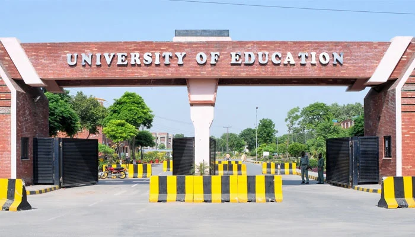 Environmental Engineering and Climate ChangeLAHORE, PAKISTAN DECEMBER 4, 2025
Title:
Environmental Engineering and Climate Change: Eco-environmental Optimization of Honeybee Forage Sources for Standard Quality Honey Production in Apiculture Industry
Date:
December 4th, 2025 (UTC+5)
Organizer:
Department of Botany, Division of Science and Technology, University of Education, Lahore, Pakistan
Symposium Chair:
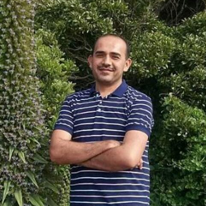
Dr. Ghulam Yaseen
Personal Bio:
Dr. Ghulam Yaseen is a Young distinguished researcher of the Botany, currently working as Assistant Professor in the Department of Botany, Division of Science & Technology, University of Education, Lahore, Pakistan. Meanwhile He is working as guest editor, member of editorial board of the various Journals, and completed various reviews of the assigned by the various journals. His research integrates methodological approaches from ethnopharmacology, natural product research, public health research, and anthropology. His group's research is based on a transdisciplinary perspective integrating approaches from the biomedical and social sciences with an overall aim of tackling the fast-changing global health needs. His research interest includes the floristic inventory, Ethnopharmacology, phytochemistry and biological activity of medicinal and aromatic plants. Pharmacological studies include anti -malarial, anti-diabetic, antiviral, anxiolytic activity, antimicrobial and antioxidants activities etc. In addition, the lab has applied metabolomics to species authentication and active identification of bioactive compounds. He has published more than 50 research papers (Impact Factor: >160); 10 Book Chapters, organized 10 conferences / seminars / symposiums; participated in >30 national and international conferences / seminars / symposiums. His citations exceeded >2300 with H-index (20) and i10 index (35). More than 25 undergraduates, masters and doctoral students have graduated under my supervision since 2017. He has worked as Assistant Professor (IPFP) in the Department of Botany, PMAS Arid Agriculture University Rawalpindi-Pakistan. He has worked visiting faculty member in Department of Plant Sciences, Quaid -i- Azam University, Islamabad. He has thought various courses at BS and M.Sc. level. He also worked as Research Associate in an International project on Digitization of Flora of Pakistan with special reference to Data mobilization and Georeferencing of Plant occurrence from Pakistan funded by GBIF. He serves in various journals as active reviewer and play important role in improvement of manuscripts.
Committee Members:
Dr. Anis Ali, University of Education, Pakistan, anis.ali@ue.edu.pk
Dr. Zahra Noreen, University of Education, Pakistan, drzahranoreen@ue.edu.pk
Amina Yaqoob, University of Education, Pakistan, aminayaqoob196@gmail.com
Bakhtiar Ahmad, University of Education, Pakistan, bakhtiarkhan12399@gmail.com
Shahzad Nawaz, University of Education, Pakistan, shahzadnawaz363@gmail.com
Call for Papers
Background:
The apiculture industry faces significant challenges related to honey production and quality due to suboptimal forage resource management. Honeybees require diverse and nutrient-rich floral sources for nectar and pollen to sustain colony health, maximize honey yield, and enhance honey composition. However, key major problems for efficient forage utilization include:
- Lack of Forage Mapping & Optimization: The absence of a comprehensive forage database and spatial analysis techniques limits beekeepers' ability to identify high-value nectar and pollen sources across different ecological zones.
- Seasonal Forage Scarcity & Floral Gaps: Limited availability of flowering plants during critical periods results in reduced nectar flow, affecting colony strength and honey production.
- Nutritional Deficiencies in Bee Diets: Variability in pollen protein content and nectar sugar composition affects colony health, brood rearing, and honey quality.
- Impact of Climate Change & Land Use Changes: Shifts in temperature, rainfall patterns, and agricultural practices alter floral phenology and availability, disrupting bee forage cycles.
- Pesticide Contamination & Forage Toxicity: Residual pesticides from agricultural crops infiltrate nectar and pollen sources, impacting honey purity and bee health.
Goal/Rationale:
To address the challenges and problems, this symposium aims to provide the hands on training on optimize honeybee forage sources by identifying high-value nectar and pollen plants, enhancing forage availability, and improving honey production and quality in the apiculture industry. The proposed symposium will be confined to:
- Conducting geospatial and botanical analyses to map and classify high-value floral resources.
- Assessing seasonal nectar and pollen availability to design year-round forage solutions.
- Analysing nectar sugar profiles and pollen nutritional content to determine optimal forage combinations.
- Investigating the effects of climate and land-use changes on honeybee forage sustainability.
- Establishing best practices to minimize pesticide exposure and enhance honey purity.
Scope and Information for Participants:
The proposed symposium will provide the scientific, technological, and policy-driven solutions to optimize honeybee forage resources, ensuring a more productive and environmentally sustainable apiculture industry. The proposed symposium will be an interdisciplinary (Botany, chemistry, forestry, apiculture, anthropology and economics), collaborative including experts from universalities, public sector departments, rural organization, NGOs and some private organizations that integrate botanical, biochemical, environmental, and technological approaches to develop a comprehensive forage optimization framework by identification, optimization, and sustainable management of honeybee forage resources to enhance honey production and quality in apiculture industry. The most important scope includes:
- Geographic Scope by Covering major ecological zones for commercial and indigenous beekeeping practices in key honey-producing regions.
- Forage Resource Assessment & Management through remote sensing and GIS.
- Impact of Environmental & Agricultural Factors including climate change, deforestation, pesticide pollution on the quality of Honey.
- Honey Production & Quality Enhancement by determining forage diversity with honey yield, physicochemical properties and medicinal value, and specifically development of honey authentication techniques based on international exports protocols.
- Technological & Analytical Methods using geospatial mapping (GIS, remote sensing), use of GCMS, HPLC and predictive models for forage optimization and honeybee industry.
- Sustainable beekeeping & industry Development through sustainable forage management strategies to enhance apiculture productivity; trainings for beekeepers on optimized forage selection, pesticides risks managements and climate resilience.
Topics:
The main topics of this symposium are listed below.
Ecology and Environment
- Atmospheric Environment
- Botany and Plant Biochemistry
- Ecosystem
- Environmental Biology
- Environmental Pollution
- Environmental Governance and Management
- Maritime Environment
- Nano Materials and Nanotechnology
- Zoology and Ethology
Meanwhile, submissions aligned with the overall conference theme are also welcome.
Public Health and Environment
- Atmospheric Sciences and Meteorology
- Biostatistics
- Community Health
- Disease Control
- Environmental Health
- Epidemiology
- Food Biotechnology
- Food Nutrition and Health
- Food Process Design and Engineering
- Food Safety and Quality Control
- GIS
- Natural Resource Management
- Remote Sensing Technology
- Vaccination
Biomedical Engineering and Bioinformatics
- Biomedical Text Mining and Ontologies
- Clinical Data Analysis
- Genome-Phenome Analysis
- Pathogen bioinformatics
- Biorobotics and Biomechanics
- Biomedical & Health Informatics
- Translational Engineering for Healthcare Innovation and Commercialization
- Biomedical Intelligence
- Electronic Health Record
- Biomedical Signal/Image Analysis
- Biomarker Discovery
- Biomedical Sensors and Wearable Systems
- Therapeutic & Diagnostic Systems and Technologies
- Biomedical Engineering Education and Society
Basic and Clinical Medicine
- Anatomy
- Anesthesiology
- Dermatology
- General Surgery
- Hematology
- Human Physiology
- Immunology
- Internal Medicine
- Medical Biochemistry
- Medical Cell Biology
- Medical Genetics
- Medical Microbiology
- Medical Statistics
- Medical Virology
- Neurosurgery
- Nursing and Health Care
- Occupational Medicine
- Ophthalmology
- Oral and Maxillofacial Surgery
- Otorhinolaryngology
- Pathology
- Pediatrics
- Physical Medicine and Rehabilitation
- Radiation Medicine
- Radiology
- Tissue Embryology
- Traditional Chinese Medicine and Pharmacy
- Urology
Biomedical Engineering and Bioinformatics
- Biomarker Discovery
- Biomedical and Health Informatics
- Biomedical Engineering Education and Society
- Biomedical Intelligence
- Biomedical Sensors and Wearable Systems
- Biomedical Signal/Image Analysis
- Biomedical Text Mining and Ontologies
- Biorobotics and Biomechanics
- Clinical Data Analysis
- Electronic Health Record
- Genome-Phenome Analysis
- Pathogen bioinformatics
- Therapeutic & Diagnostic Systems and Technologies
- Translational Engineering for Healthcare Innovation and Commercialization
Submission:
Prospective authors are kindly invited to submit full papers that include title, abstract, introduction, tables, figures, conclusion and references. It is unnecessary to submit an abstract in advance. Please submit your papers in English.
Each paper should be no less than 4 pages. One regular registration can cover a paper of 6 pages, and additional pages will be charged. Please format your paper well according to the conference template before submission. Paper Template Download
Please prepare your paper in both .doc/.docx and .pdf format and submit your full paper by email with both formats attached directly to sympo_lahore@icmmgh.org
Important Dates:
| Process | Date & Time |
|---|---|
| Submission Deadline | December 2, 2025 |
| Symposium Date | December 4, 2025 |
| Notification of Acceptance | 7-20 workdays |
Publication:
Accepted papers of the symposium will be published in Theoretical and Natural Science (TNS) (Print ISSN 2753-8818), and will be submitted to Conference Proceedings Citation Index (CPCI), Crossref, CNKI, Portico, Engineering Village (Inspec), Google Scholar and other databases for indexing. The situation may be affected by factors among databases like processing time, workflow, policy, etc.
Publication info
Title: Theoretical and Natural Science (TNS)
Press: EWA Publishing, United Kingdom
ISSN: 2753-8818, 2753-8826 (electronic)
This symposium is organized by ICMMGH 2026 and it will independently proceed the submission and publication process.
* The papers will be exported to production and publication on a regular basis. Early-registered papers are expected to be published online earlier.
Highlights
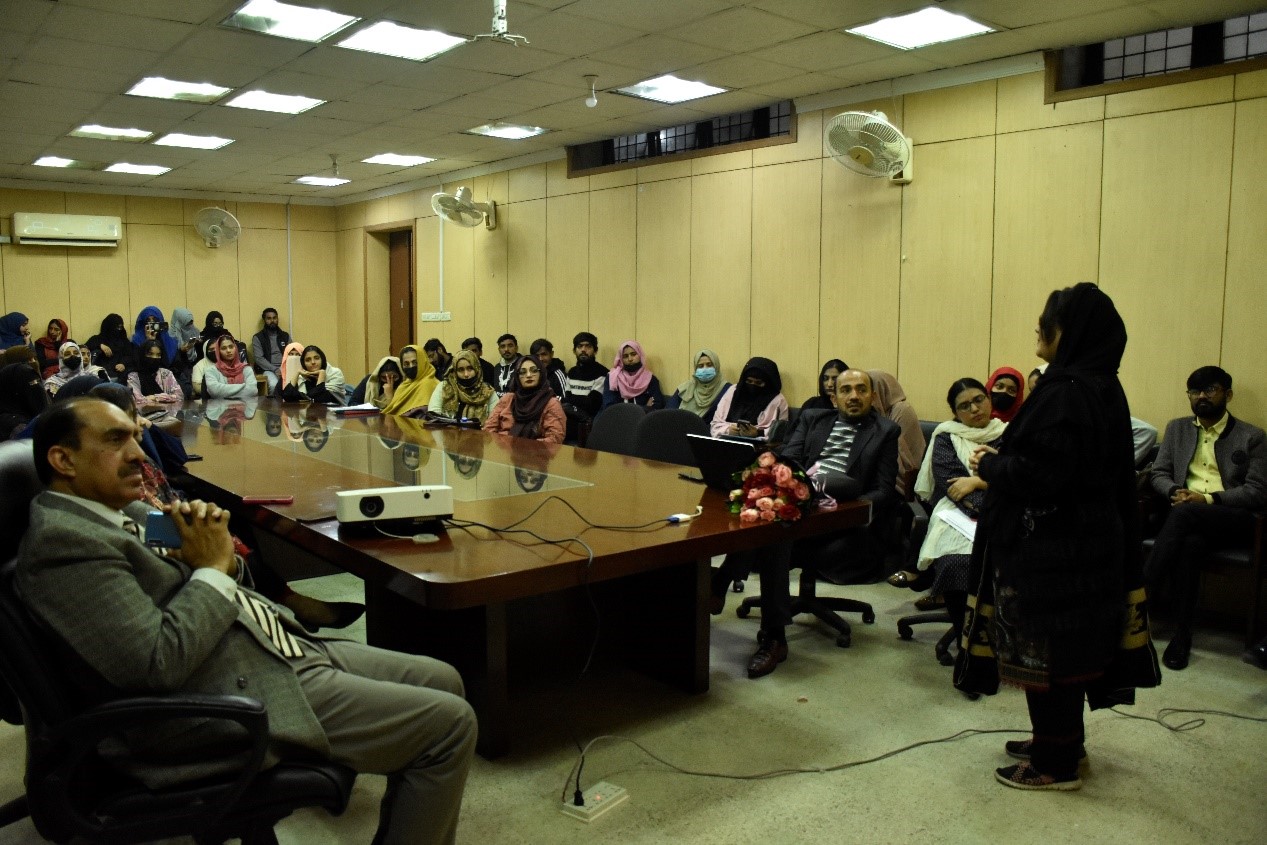
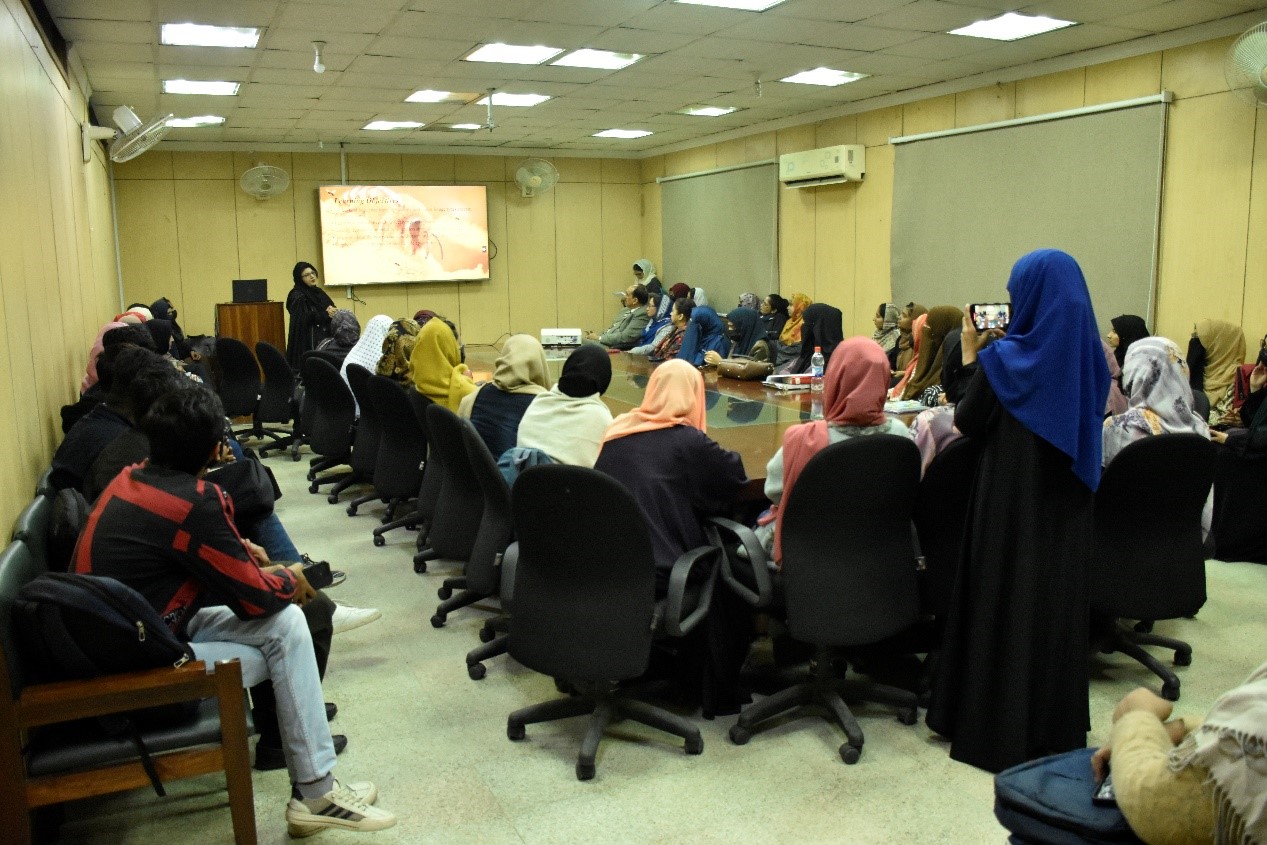
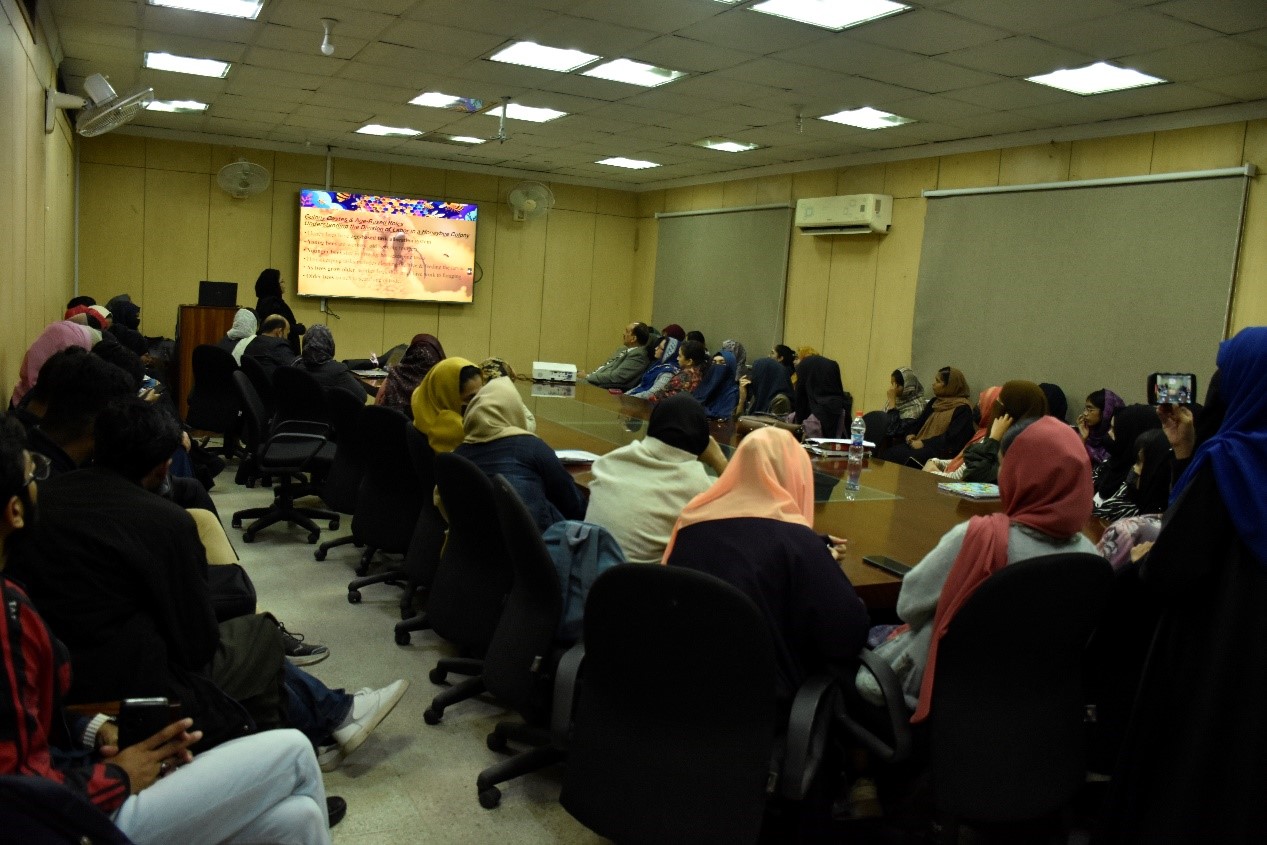
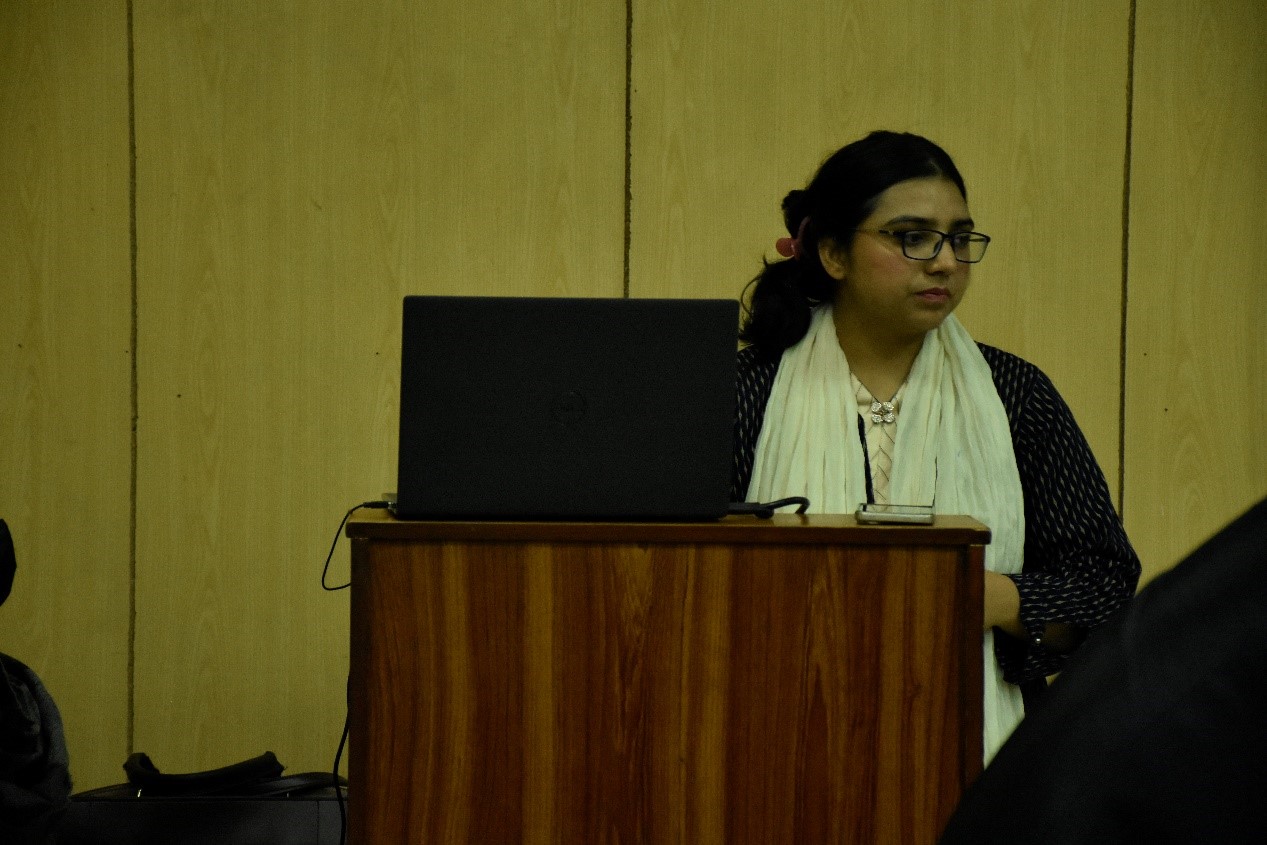
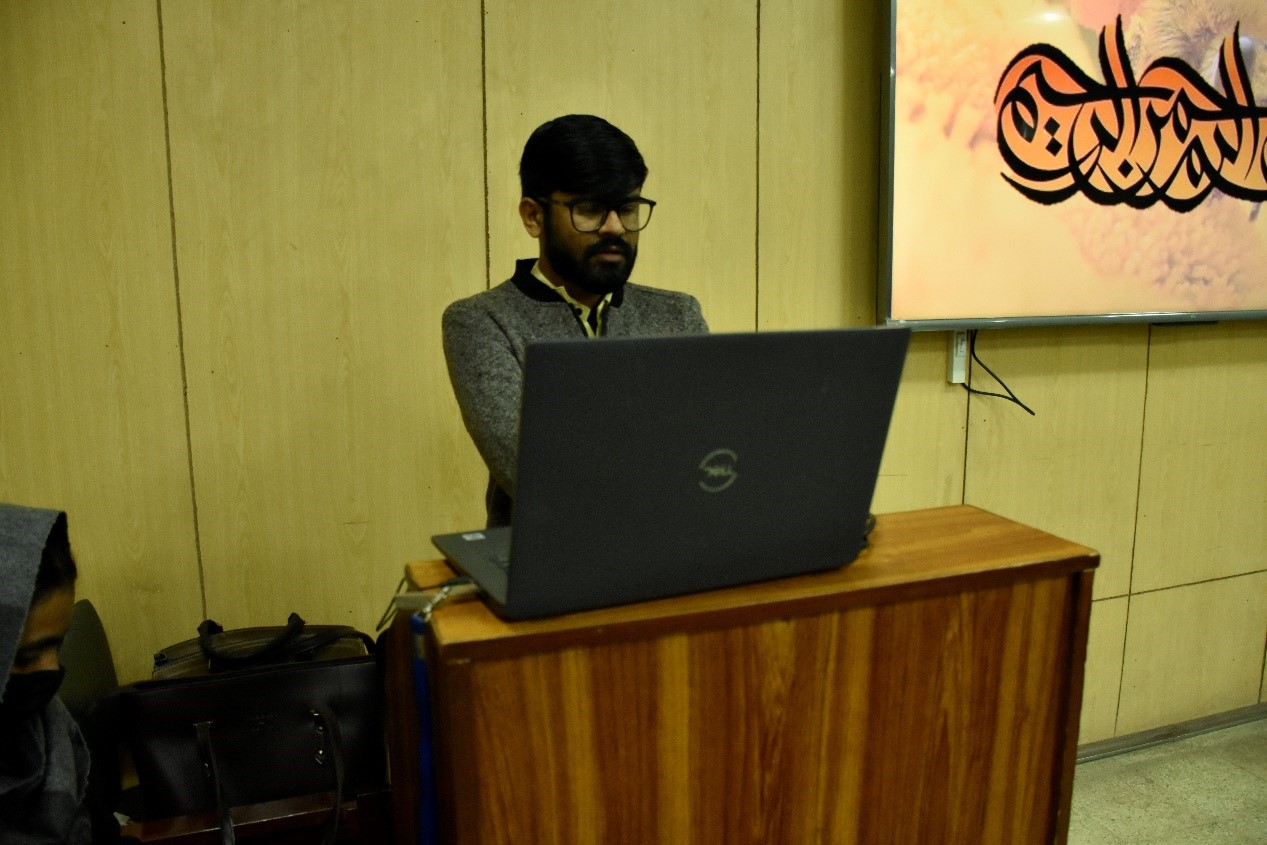
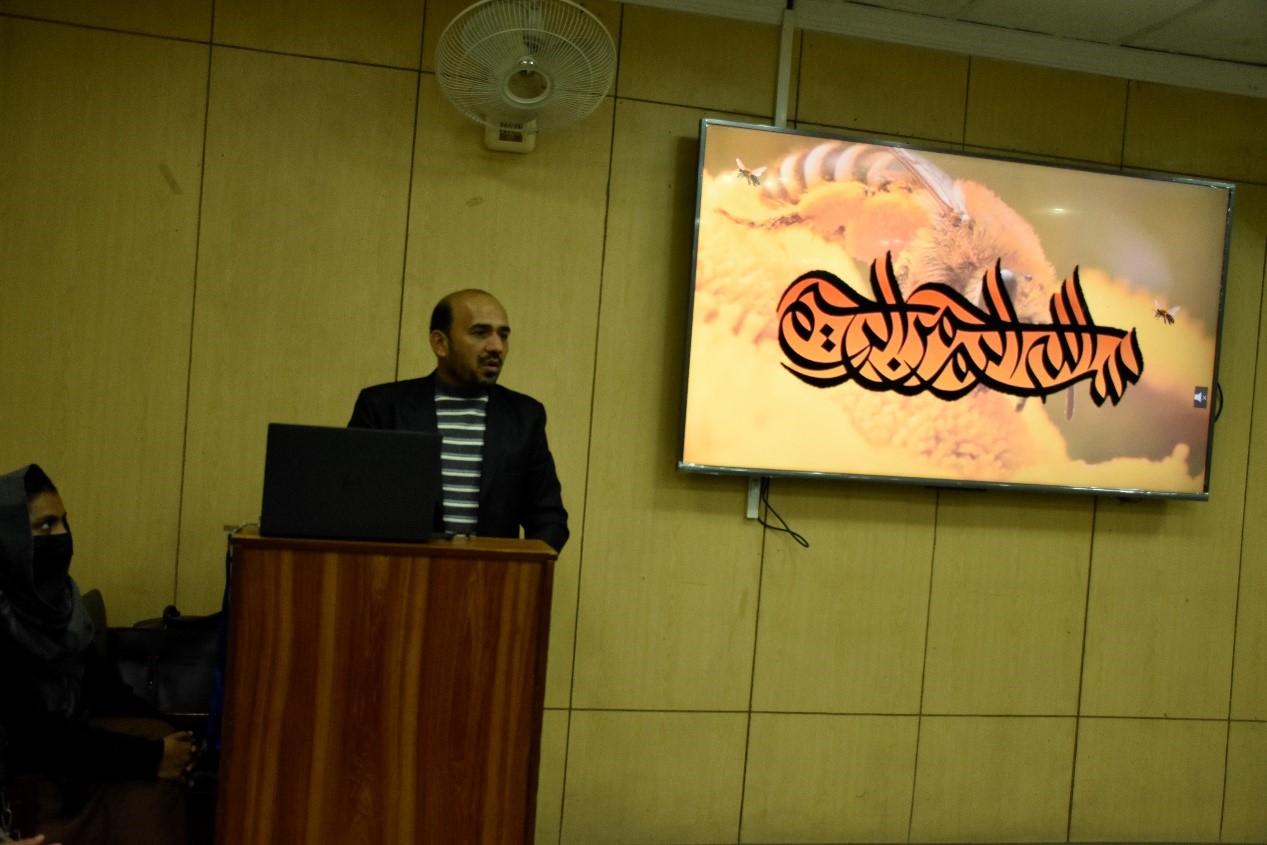
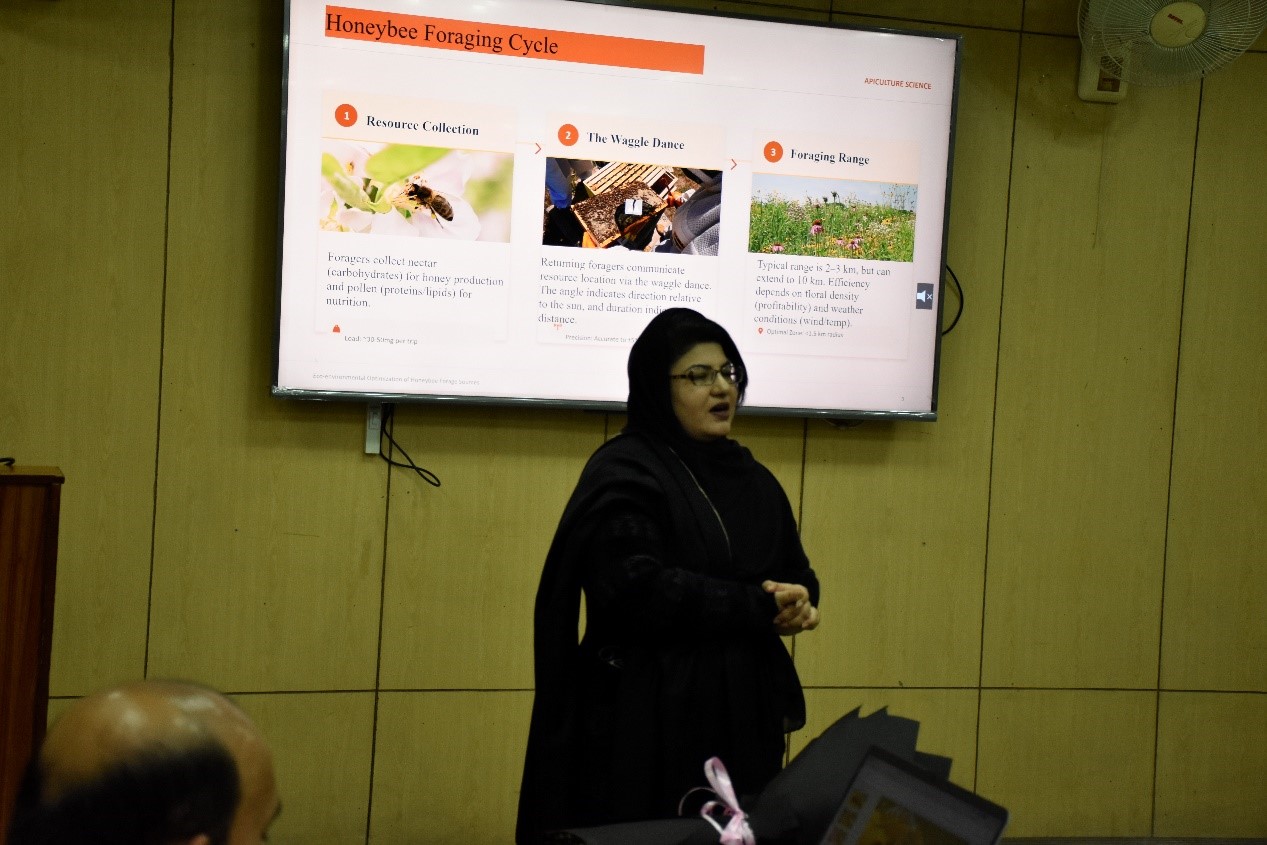
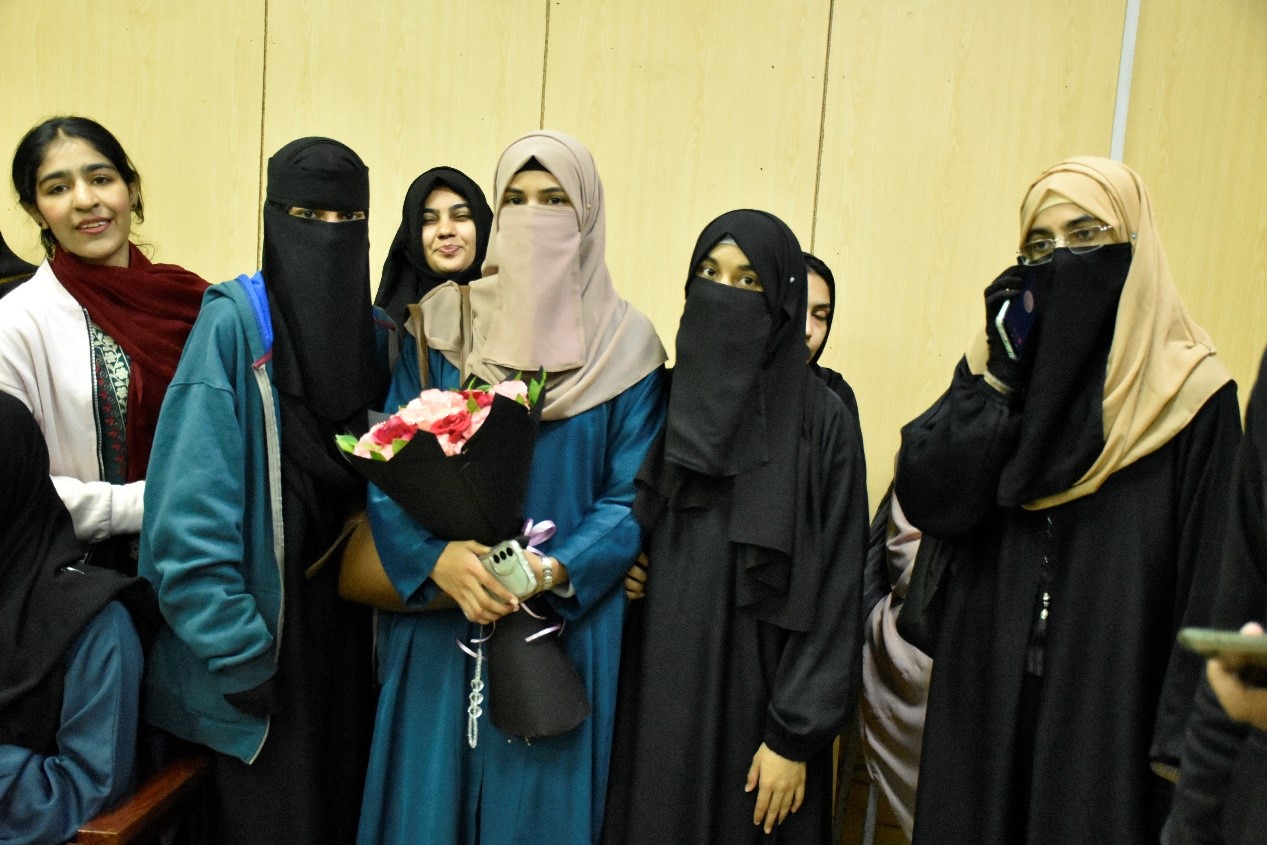
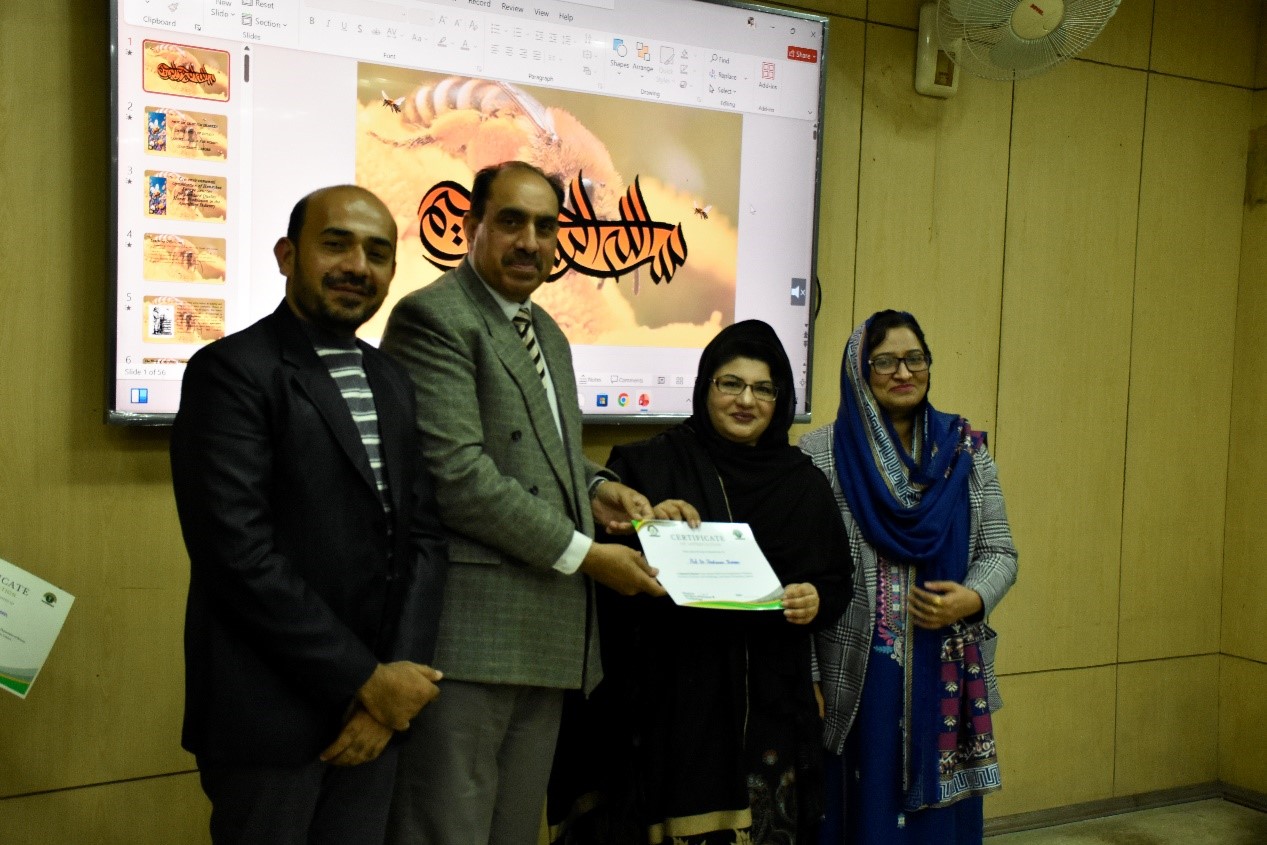
The symposium entitled “Eco-environmental Optimization of Honeybee Forage Sources for Standard Quality Honey Production in Apiculture Industry” was held at the University of Education Lahore Pakistan under the supervision of Dr. Ghulam Yaseen and other organizers of the Division of Science and technology, University of Education Lahore, Pakistan. The symposium covered the latest techniques of detection of Honeybee forage sources and their ecological impacts. The resource person of the symposium was Prof. Dr. Shabnum Shaheen from the Lahore College University for Women, Lahore Pakistan. The resource person Enlighted the in-depth knowledge and practical techniques on the subject matter. The symposium was attended by the research students, Ph.D scholars and faculty members. All participants got the detail knowledge on: honeybees for a sustainable future of honey; diverse world of honeybees; ecology of honeybee forage sources; economic impacts of honeybee forages, understanding the vital role of honeybee forages; eco-environmental challenges for apiculture Industry; environmental management practices and optimization strategies for the honey industry as well as for honeybee health; monitoring honeybee health for sustainable apiculture practices. It was concluded that honeybees are vital component for the development and promotes sustainable beekeeping to support livelihoods and to conserve biodiversity. Beekeeping industry is important to assist people living in poor and remote areas of the world, and to raise awareness about the value of sustainable development. This report summarizes the key takeaways conclusions from the symposium, highlighting the exciting possibilities and advancements in this field.
Sustainable practices, including the eco-environmental optimization of honeybee forage sources, are essential for producing high-quality honey in a sustainable manner. Effective stakeholder collaboration among farmers, researchers, and policymakers is crucial for the successful implementation of strategies aimed at improving honeybee habitats. In addition, continued research on the effects of different forage types and environmental conditions is necessary to further inform strategies that enhance honeybee health and honey production.
Future efforts should focus on designing a one-year floral calendar based on local plant lists and bloom periods, collecting honey samples for basic quality tests, and performing pollen slide preparation for melissopalynology to identify major pollen types. Adherence to the Codex Standard for Honey (FAO), mapping apiary placements, establishing flower strips and hedgerows with staggered bloom species, and working with farmers to reduce pesticide spraying during peak bloom are also recommended. Proper handling of honey after collection, the use of basic quality tests before marketing premium monofloral honey, and ensuring professional commercialization are essential for maintaining honey quality.
Access to Symposium: ICMMGH 2026 Symposium -- Lahore - YouTube
Ways to Participate
Venue:
Main Auditorium, University of Education, Lahore, Pakistan
Attend in Person:
If you want to attend the symposium on-site, please email sympo_lahore@icmmgh.org. The symposium seats are limited. Both contributors and non-contributors who wish to participate in the symposium in person need to apply to the symposium organizers.
VISA:
https://visa.nadra.gov.pk/e-visa/In order to ensure the information is correct and up to date, there may be changes which we are not aware of. And different countries have different rules for the visa application. It is always a good idea to check the latest regulations in your country. This page just gives some general information of the visa application.
The online application process at Pakistan Online Visa can be completed in 3 Easy Steps. Before starting your application, please go through the instructions for each step below:
Step 1: Preliminary Assessment
Choose your visa and understand the eligibility and document requirements before you apply.
Step 2: Preparation
Please ensure that you are applying for the right visa as each visa has its own set of required documents. You must have the following on-hand before you begin your application:
- Complete set of supporting documents.
- Photograph up to 350KB captured as explained in the Photograph Tutorial.
- Valid Credit Card/Debit Card for online payment of your application fee.
Step 3: Online Application
When you are ready to apply, follow the steps outlined below:
- Click on the Apply Now button to launch the Pakistan Online Visa System.
- Create a New Account.
- Login to the Pakistan Online Visa System.
- Complete your application.
- Pay Fee through a Credit Card/Debit Card.
- Submit your Application.
NOTICE:
Should your application be denied, the organizing committee cannot change the decision of visa officer, nor will ICMMGH engage in discussion or correspondence with the visa application center on behalf of the applicant. The registration fee CANNOT be refunded when the VISA application of individual being denied.