ICMMGH 2025
The 3rd International Conference on Modern Medicine and Global Health (ICMMGH 2025) was a hybrid conference which includes several symposium series (offline and online) around the world. Dr. Sheiladevi Sukumaran from SEGi University, Dr. Çiğdem Gülüzar Altıntop from Erciyes University, and Dr. Roman Bauer from University of Surrey have chaired these symposium series on related topics. ICMMGH 2025 provided the participants with good opportunities to exchange ideas and build networks, and it will lead to further collaborations between both universities and other societies.
Symposium Series
Faculty of Education, Languages, Psychology and Music, SEGi University
Symposium Chair: Dr. Sheiladevi Sukumaran, Associate Professor in SEGi University
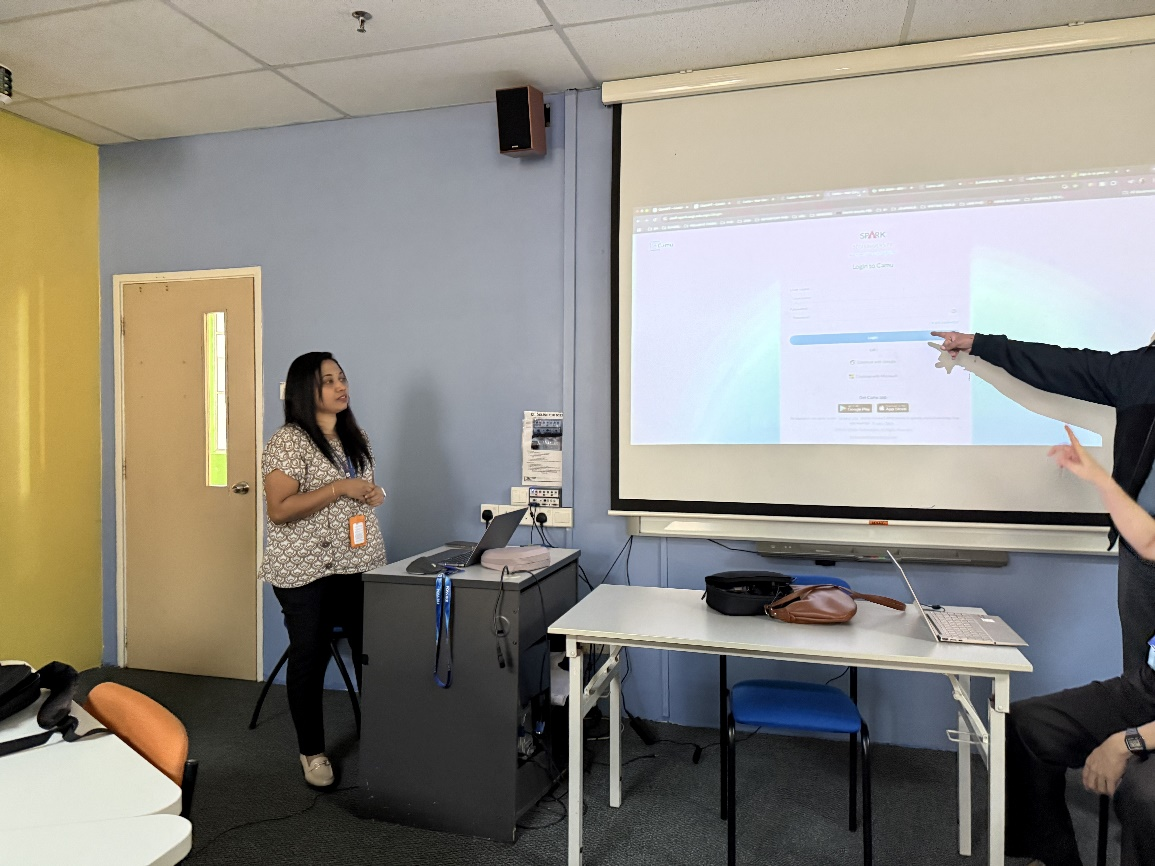
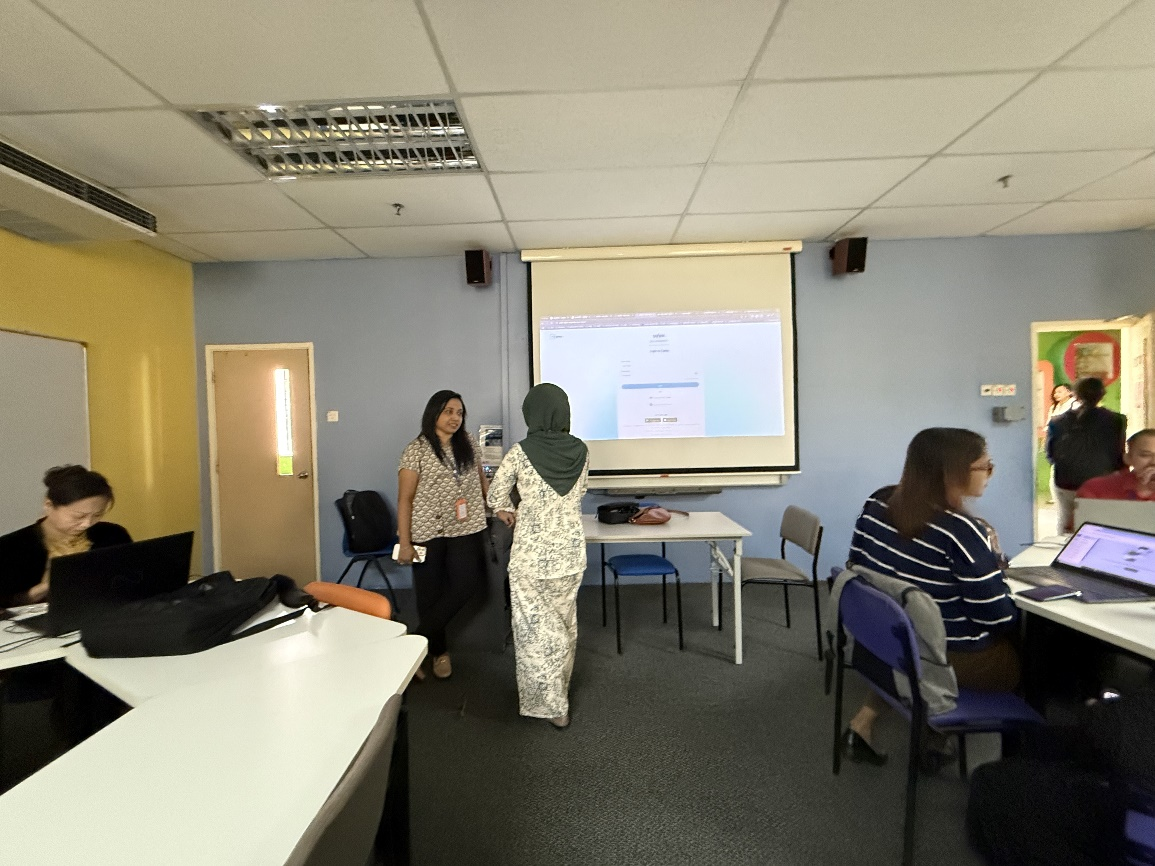
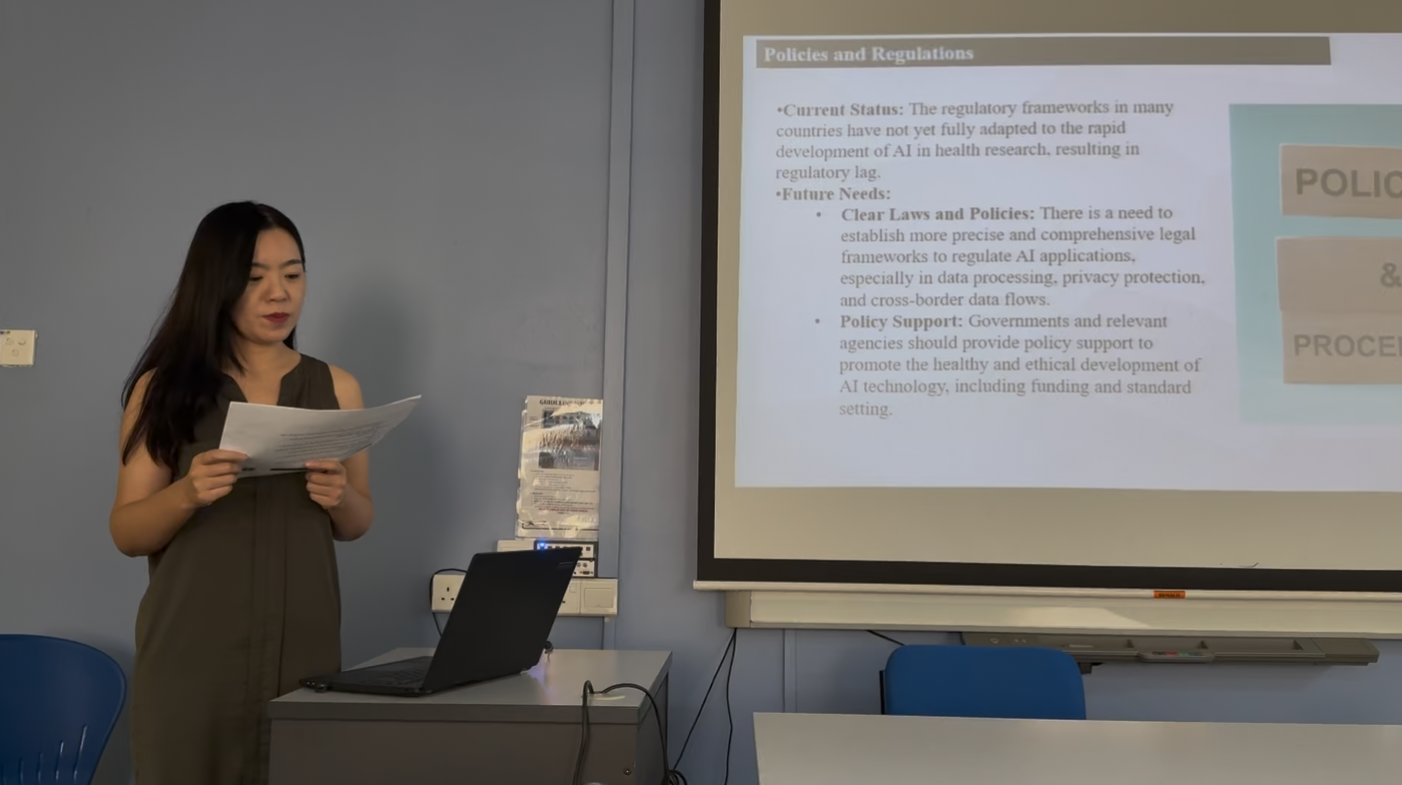
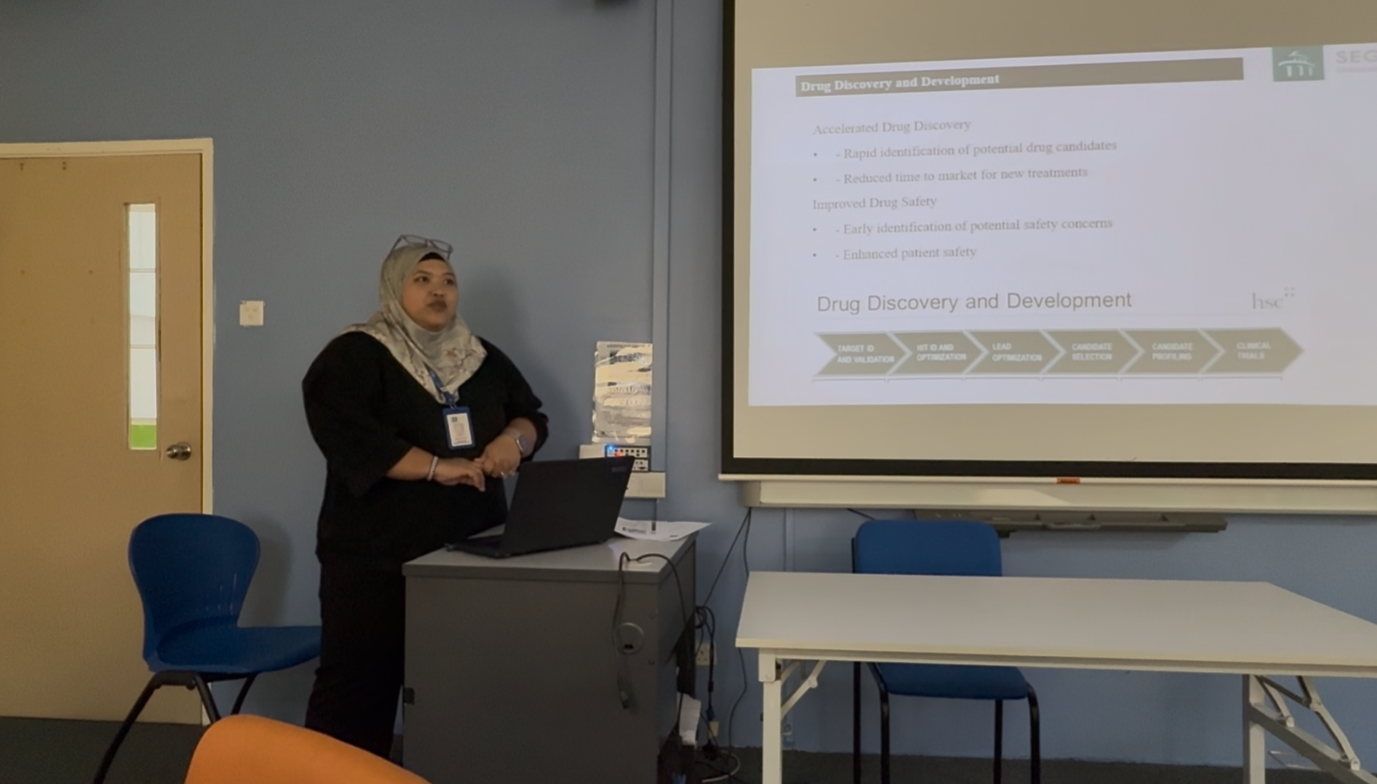
The symposium The Role of Artificial Intelligence in Enhancing Community Health Research on 10th January 2025 from 10 am-11.30 am. Around 16 participants attended the symposium. It explored the potential of Artificial Intelligence (AI) to revolutionize community health research. AI's ability to analyze vast datasets and identify patterns offers significant advantages. Firstly, AI accelerates data analysis, uncovering hidden insights from electronic health records and social determinants of health. This frees up researchers' time for interpretation and faster research progress. Secondly, AI aids in predictive modelling, allowing for early disease detection and optimized resource allocation. Additionally, AI facilitates personalized medicine through tailored treatment plans. Thirdly, AI expedites drug discovery by identifying potential drug candidates and optimizing clinical trials. It can also improve drug safety by analyzing data to detect potential risks early on. While the benefits are substantial, ethical considerations regarding data privacy, algorithmic bias, transparency, and a human-centered approach must be addressed. The future of AI in community health research is bright. Responsible AI use can enhance data-driven decisions, empower community engagement, accelerate drug discovery, and advance precision medicine. However, achieving this potential requires collaboration between researchers, clinicians, policymakers, and technology experts.
Faculty of Engineering, Erciyes University
Symposium Chair: Dr. Cigdem Guluzar Altintop, Senior Lecturer in Erciyes University
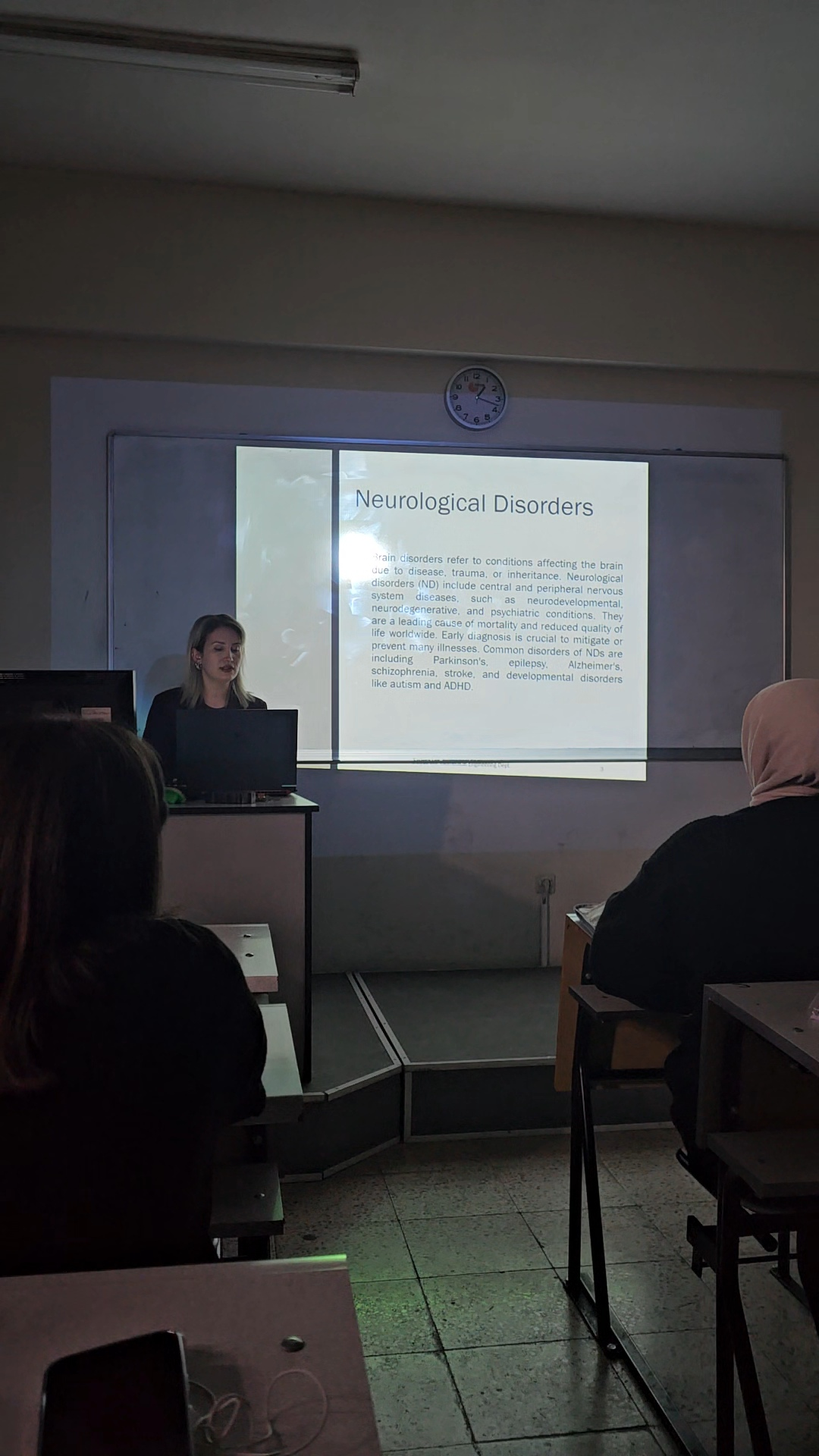
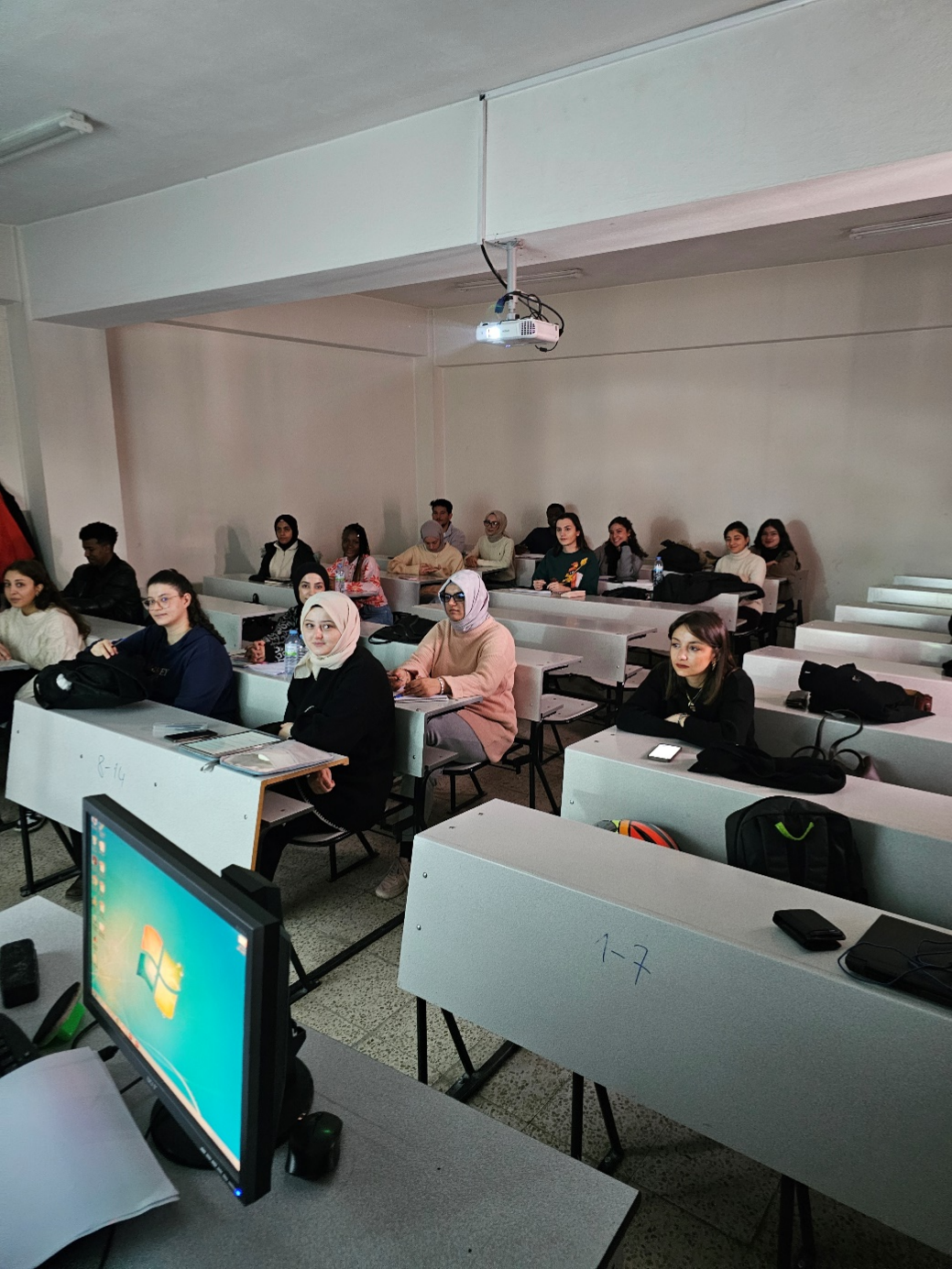
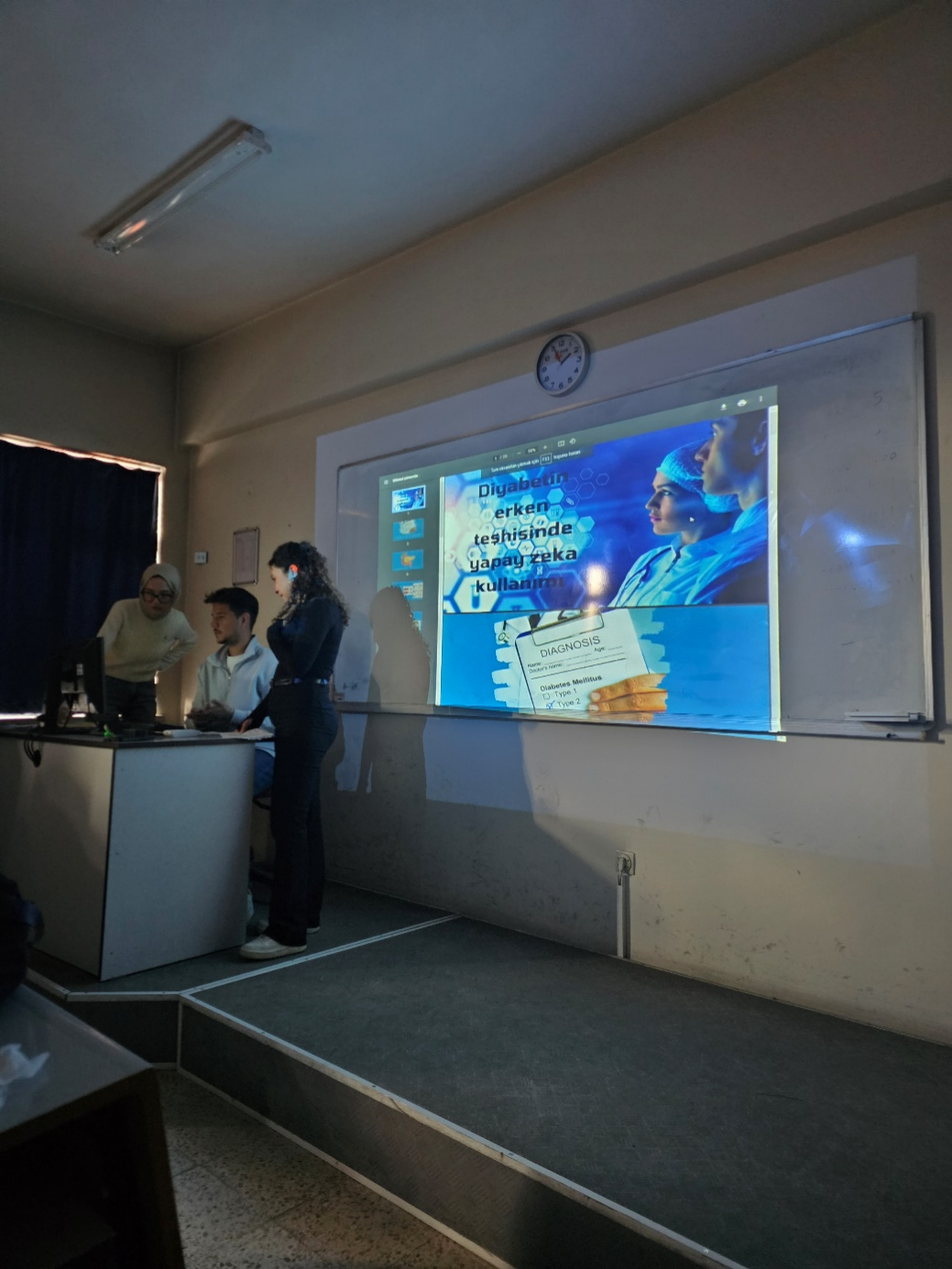
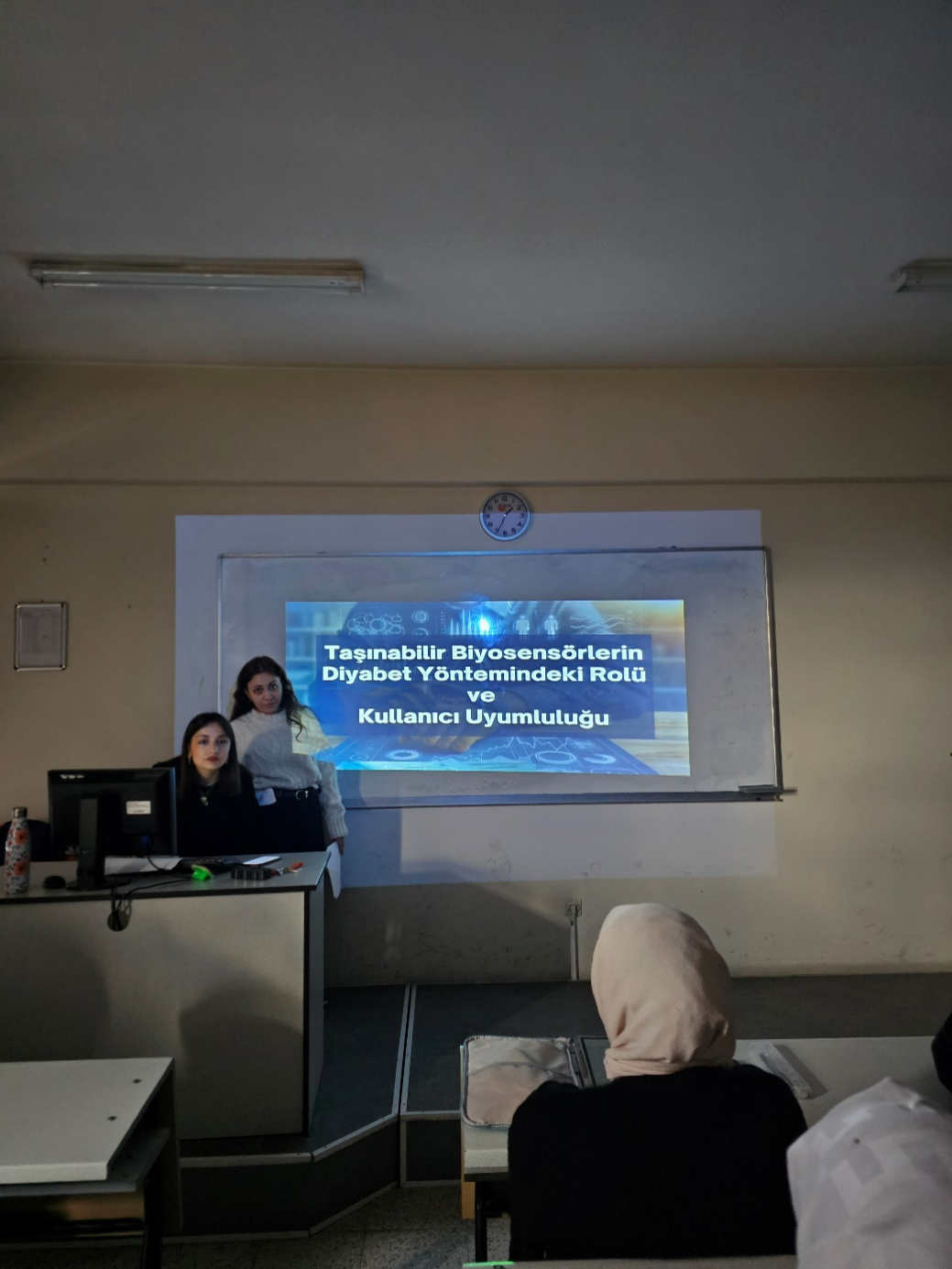
Neurological disorders (ND), such as Alzheimer’s disease, schizophrenia, depression, and mild cognitive impairment (MCI), significantly impact quality of life and pose diagnostic challenges due to overlapping symptoms and subjective evaluation methods. This symposium explores how biomedical analysis combined with machine learning can enhance ND assessment, focusing on electroencephalography (EEG) as a non-invasive, cost-effective diagnostic tool.
EEG data from participants, including individuals with neurological disorders (ND) and healthy controls, were analyzed using preprocessing, feature extraction, and selection methods informed by statistical and computational approaches. Various machine learning models, such as Linear Discriminant Analysis (LDA), Support Vector Machines (SVM), and Artificial Neural Networks (ANN), were employed to classify the data. The models showed potential for both binary and multi-class classification tasks, highlighting the applicability of automated systems in supporting clinical decision-making processes.
The symposium highlights the critical role of frontal lobe EEG channels and specific biomarkers in ND diagnosis. Attendees will gain insights into EEG signal processing, feature optimization, and machine learning techniques tailored for ND assessment, with discussions on current challenges and future directions, such as expanding datasets and integrating deep learning approaches. This session is ideal for professionals and researchers interested in advancing diagnostic tools and fostering interdisciplinary collaborations in biomedical engineering and healthcare.
University of Surrey, UK
Symposium Chair: Dr. Roman Bauer, Senior Lecturer in University of Surrey
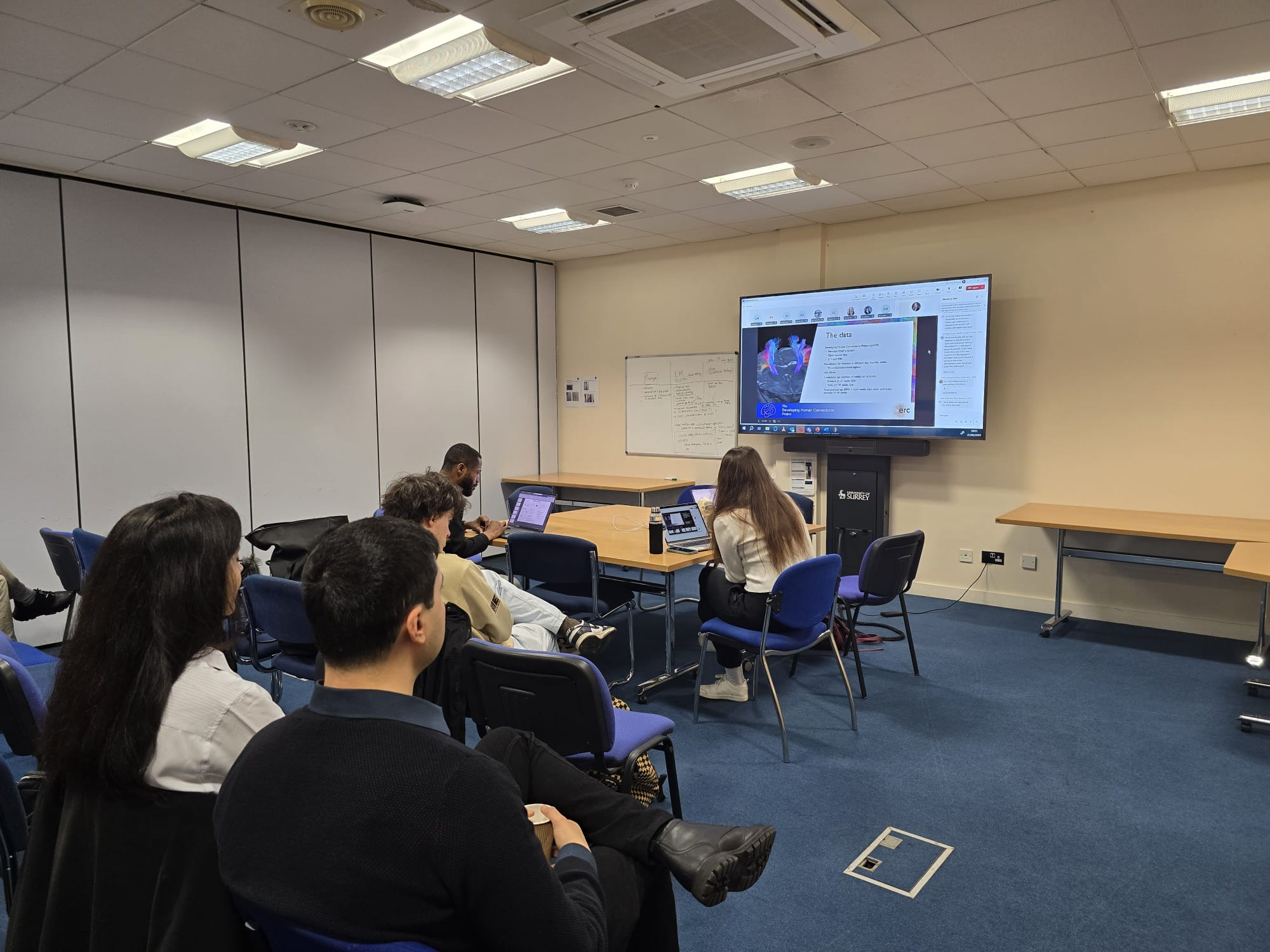
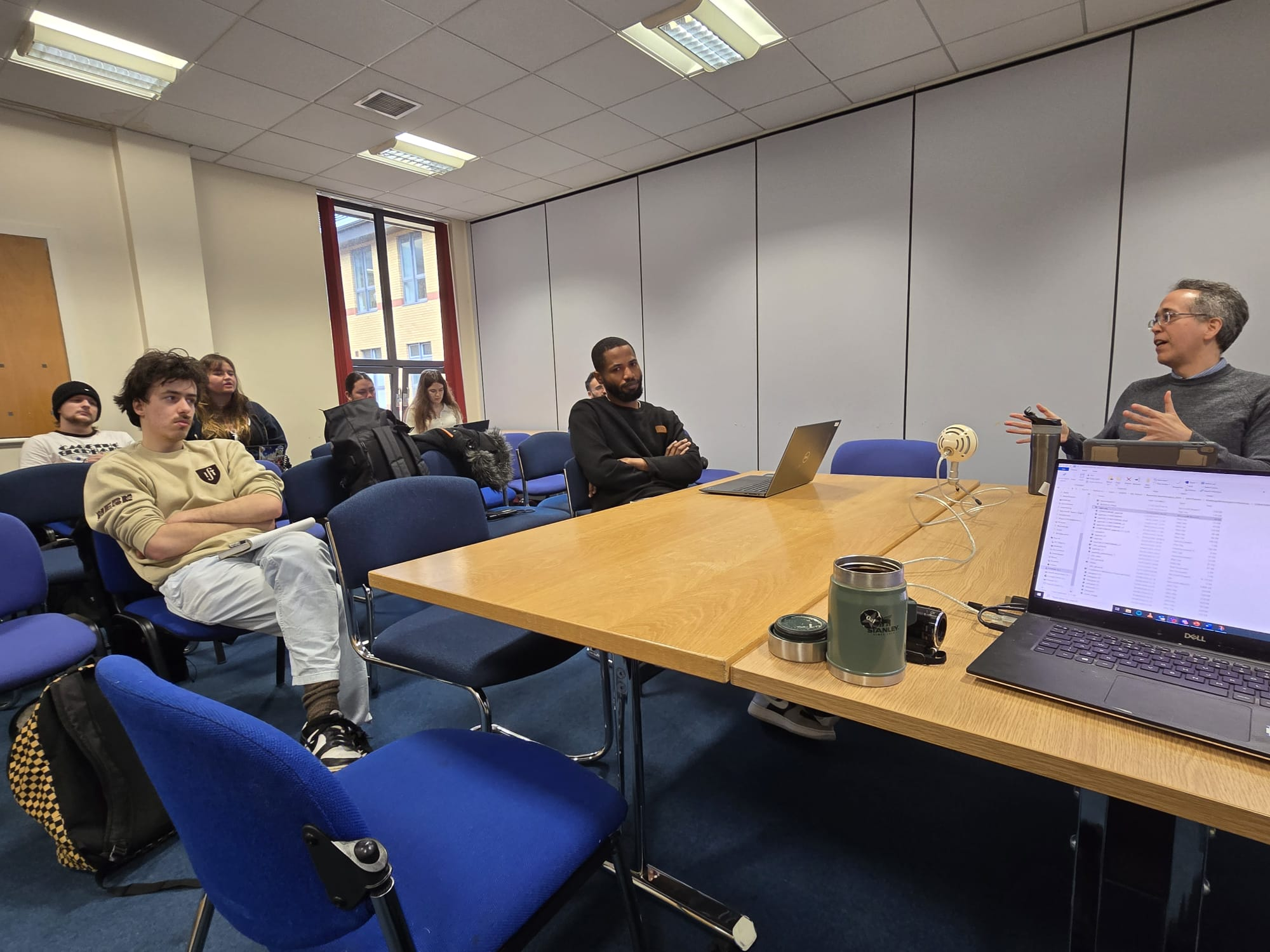
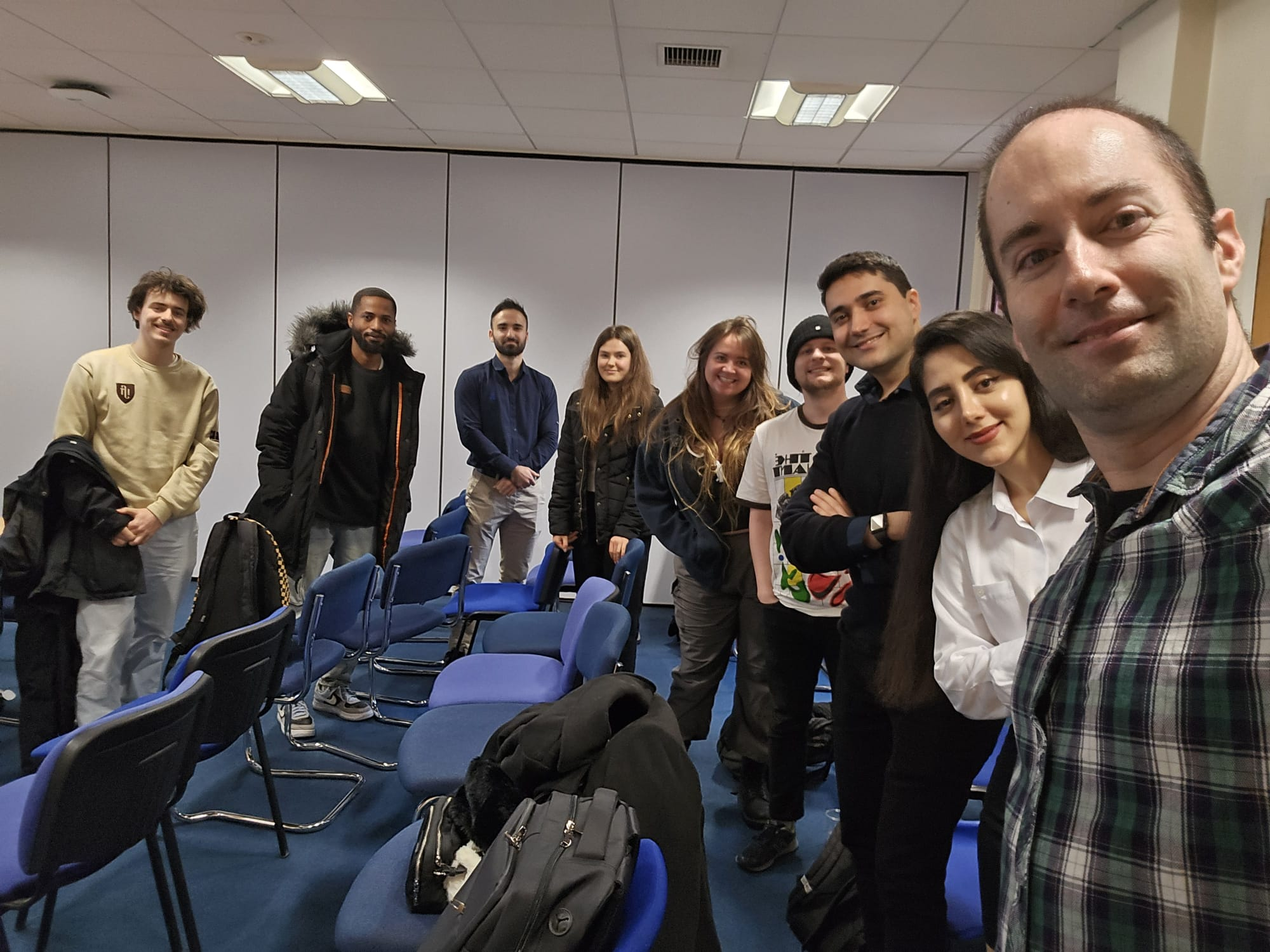
On February 21st 2025 the symposium "Computational modelling and simulation in biology and medicine" was held in Guildford at the University of Surrey (UK). The symposium was hosted by the COMBYNE lab (www.combynelab.com) and held as a hybrid meeting, to facilitate involvement of participants from many different countries and institutions. This international symposium comprised a selection of presentations and interactive talks on Computational Biomedicine topics from leading academics, well-established domain experts and also PhD students who embark on a research career. Over 25 participants were present, mostly academics and PhD students from institutions such as the University of Surrey, King’s College London, Universidad Complutense de Madrid (Spain), commercial entities and others. Members of the international BioDynaMo collaboration (www.biodynamo.org) also contributed to the symposium.
The presenters and experts shared many valuable insights and experiences from different perspectives. Among them, at the meeting, Ms. Siqi Zhou reported the latest research results of Chen Shuai's research group from Wuhan University, reported the research content of the co-encapsulation of curcumin and resveratrol with zein and chitosan. Ms. Guo Jingxuan reported the latest research progress of carrageenan matrix nanomembrane applied to food packaging. Ms. Yifei Huang reported the research progress on the preparation technology, stability, metabolic mechanism and physiological function of anthocyanins. They reported different insights on materials and detection, which provided valuable advice for the construction of materials chemistry environmental engineering.
The symposium started off with an introductory talk on research on simulations of neurodevelopmental connectivity formation guided by retinal waves. Subsequent talks touched on many of the challenges and prospects of computational modelling in biomedicine. The audience actively engaged with the presenters and brought up important issues such as the challenges of reproducing multiple different experimental modalities from a single computational model, or practical questions with regards to brain-machine interfacing for neuromodulation. Example talks focussed on topics comprising various complex systems and their dynamics, such as for instance the growth of inter-areal connections of the human brain, biologically inspired code optimisation and predicting the impact of brain stimulation. More information on the symposium including a programme can be found here: https://www.combynelab.com/home/news/comosibime2025
Online Session
The online session of the 3rd International Conference on Modern Medicine and Global Health (ICMMGH 2025) was held on January 10, 2025. Dr. Sheiladevi Sukumaran from SEGi University, Dr. Cigdem Guluzar Altintop from Erciyes University, and Dr. Roman Bauer from University of Surrey have given keynote speech on related topics of medical science, public health, etc. Also, we invited authors of qualified papers to deliver oral presentations at the Online Session. The authors have presented their studies of biomedical engineering, pharmaceutical science, medicine, public health, etc. Questions from the audience were collected and answered by the presenters.
Highlights
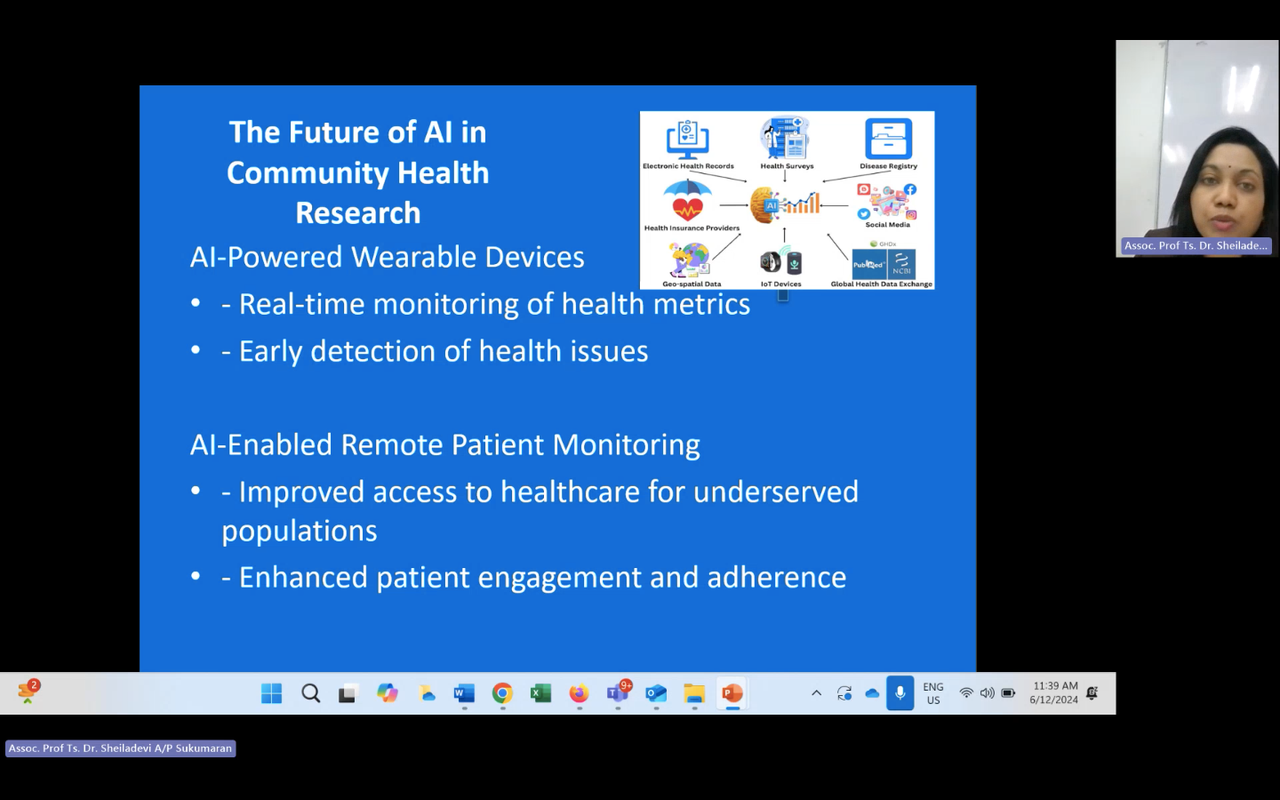
Title of Speech: The Power of AI in Community Health Research
Presented by: Dr. Sheiladevi Sukumaran, SEGi University
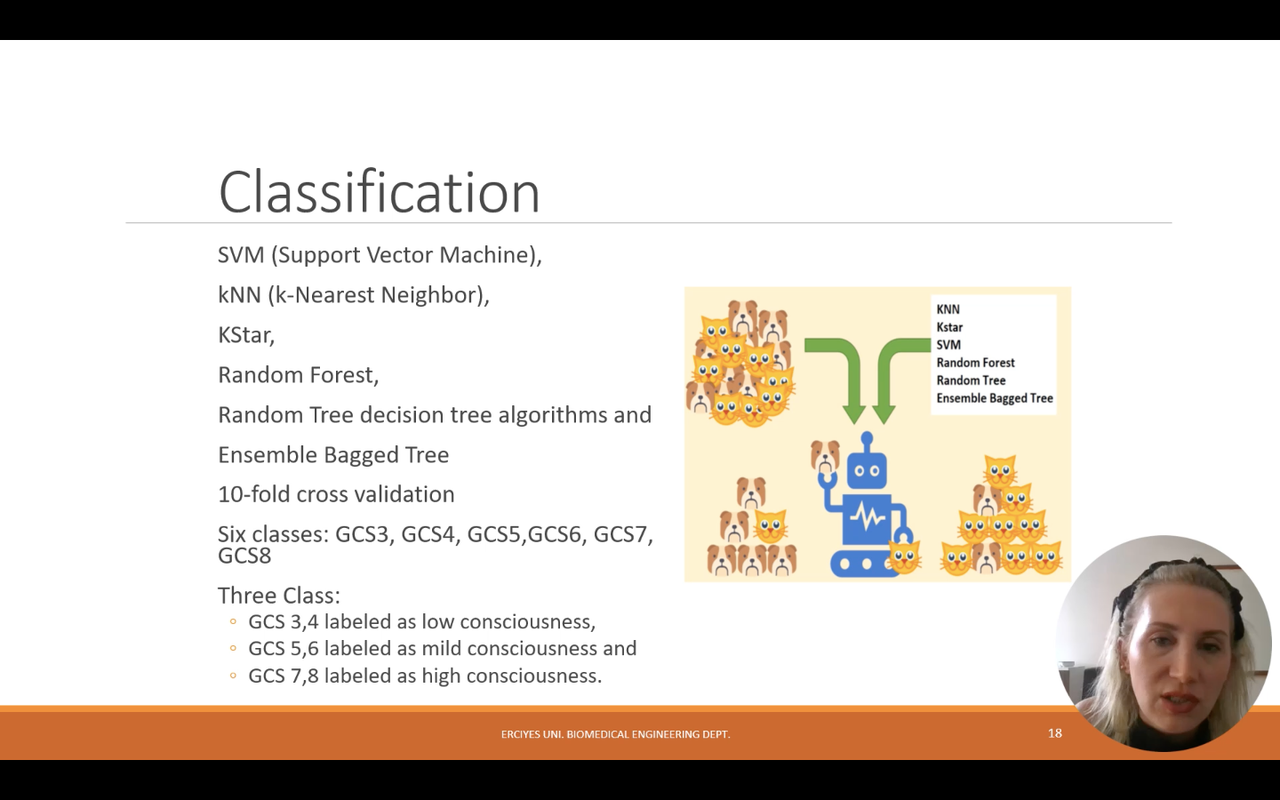

Title of Speech: Understanding Coma: Awareness and Consciousness in Comatose
Patients
Presented by: Dr. Cigdem Guluzar Altintop, Erciyes University
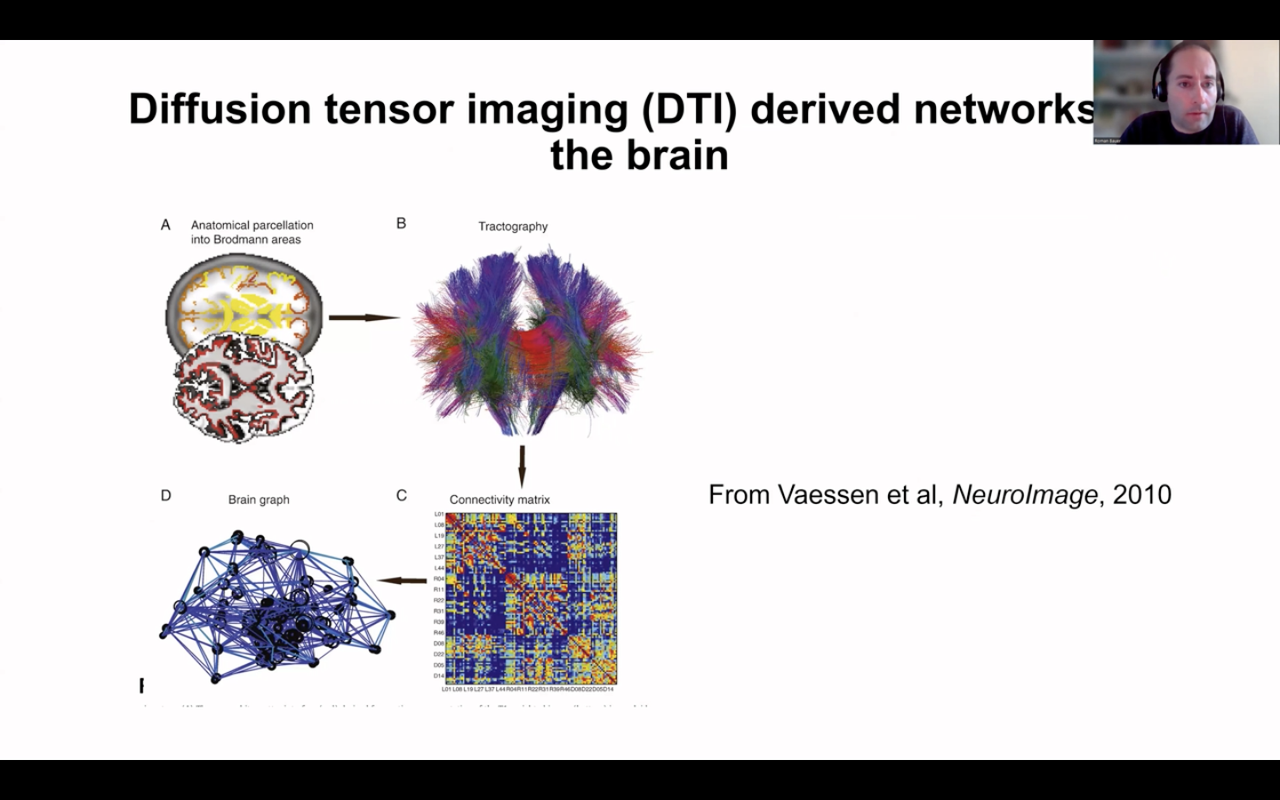

Title of Speech: Computational modeling for diagnostic and therapeutic systems
Presented by: Dr. Roman Bauer, University of Surrey
Videos
You can find the Youtube Playlist here.
Publications
Conference Proceedings
Accepted papers of ICMMGH 2025 were published in Theoretical and Natural Science (TNS) (Print ISSN 2753-8818), and were submitted to Conference Proceedings Citation Index (CPCI), Crossref, CNKI, Portico, Google Scholar and other databases for indexing. The situation may be affected by factors among databases like processing time, workflow, policy, etc.
Title: Theoretical and Natural Science (TNS)
Press: EWA Publishing, United Kingdom
ISSN: 2753-8818, 2753-8826 (electronic)